





BREAKOUTS & CLARITY
Clearer-looking skin starts here.
Targeted devices designed to support clearer-looking skin, balanced texture, and a calmer-looking complexion. For a broader multi-wavelength approach, explore Omega LED Light Therapy for face, neck and targeted body areas.

30-day returns
Shop with added confidence. International shipping calculated at checkout.
FDA Cleared Technology
Professional-grade technology for home use.
Free Shipping
Included with every U.S. order.
LED Devices for Breakouts & Clearer-Looking Skin
-
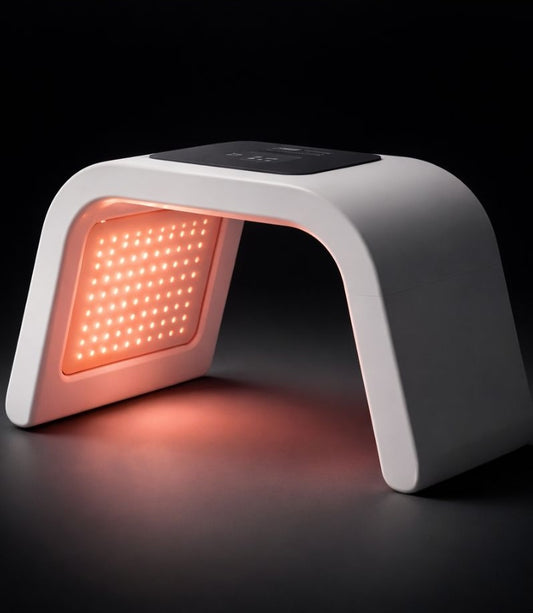
Omega LED Light Therapy Device
Regular price $279.00Regular priceUnit price per -
-
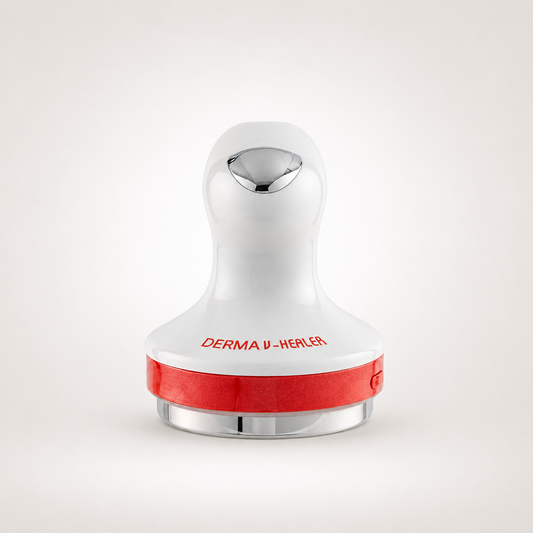
O'Melon 3-in-1 Derma V Healer
Regular price $299.00Regular priceUnit price per -
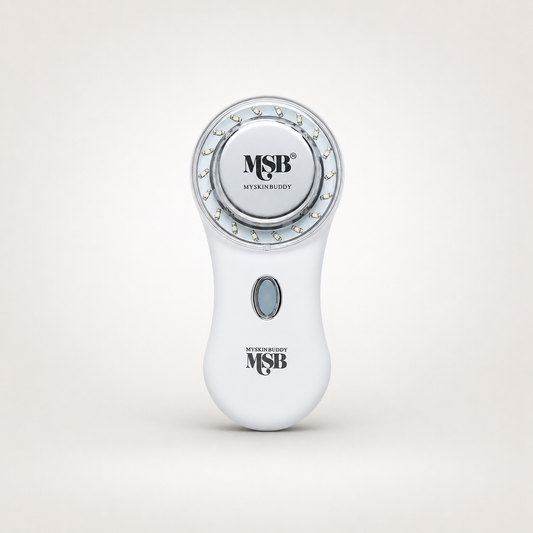
MySkinBuddy Boost Device
Regular price $375.00Regular priceUnit price per
COMPARE DEVICES
Find Your Perfect Match
Compare LED light therapy devices designed for blemish-prone skin and a clearer-looking complexion.
Feature


Best For
Face and body breakout support
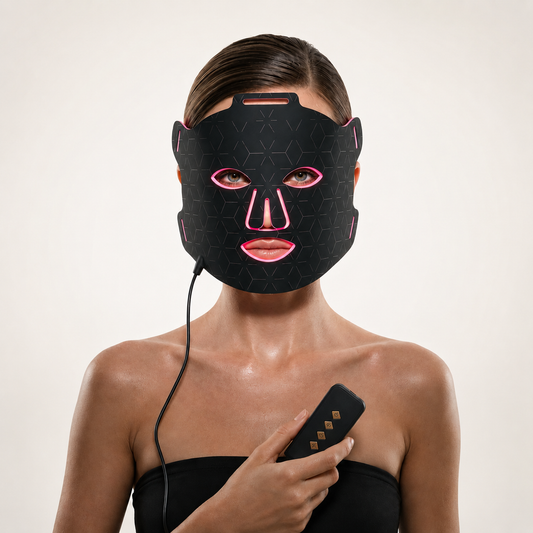
Hands-free full-face treatments
Targeted clarity and calming care
Cleansing, infusion and daily maintenance
Treatment Area
Face, back and targeted body areas
Entire face
Face and targeted body areas
Small targeted facial areas
Blue Light
Near-Infrared
Hands-Free
Massage / Vibration
Session Time
10 - 15 minutes
10 minutes
10–15 minutes
5–10 minutes
Ideal User
Wants maximum face and body coverage
Prefers a simple wearable treatment
Wants precise, targeted care
Wants one device for multiple routine steps
Recommended For
BEST OVERALL
Maximum coverage with minimal effort.
BEST HANDS-FREE
Full-face treatment with minimal effort.
BEST FOR TARGETED CARE
Precision care with three treatment modes.
BEST MULTI-FUNCTION
LED, cleansing and product infusion in one.
Swipe to compare devices
FDA-cleared devices
Safe and non-invasive
Professional-grade technology
REAL RESULTS
Proven by real people
Consistent use. Real transformations.


90%
Saw a reduction in mild blemishes and visible redness*


85%
Saw improvement in uneven tone and post-blemish marks*


87%
Reported less breakouts & post-inflammatory marks*
Based on a 10-week consumer perception study with 35 participants using LED devices 4-5 times per week
CURATED TREATMENT SETS
Better results,
better together.
Save when you pair your device with the essentials designed to support your complete treatment ritual.
SAVE $30

BUNDLE & SAVE
Omega LED Complete Ritual
Illuminate. Rejuvenate. Restore.
SAVE $30

SAVE $25

EXPERT GUIDANCE
LED light therapy for breakouts & clarity explained.
Clear guidance on blue light, blemish-prone skin, device selection, and building a consistent at-home routine
Can LED light therapy help with breakouts and blemish-prone skin?
Blue and combined blue-and-red visible-light devices may help improve the appearance of mild to moderate inflammatory blemishes when used consistently. LED therapy does not work equally for every type of acne and is not intended to treat blackheads, whiteheads, deep cysts or nodules. Results vary by device, skin type and routine.
What is the difference between blue and red LED light?
Blue light is the primary wavelength used in at-home LED devices designed for inflammatory blemishes. Red light is often paired with blue light to support calmer-looking skin and a more balanced complexion. Some devices also include near-infrared or additional wavelengths for broader skincare goals.
Which LED device is best for breakout-prone skin?
Choose based on your preferred treatment style. Omega LED provides broad face and body coverage, while the LED Light Therapy Mask offers a wearable full-face treatment. O’melon Derma-V is designed for precise, targeted care, and MySkinBuddy combines LED with cleansing, vibration and product-infusion technologies.
How often should I use LED light therapy for breakouts?
Treatment schedules vary by device, with sessions generally ranging from approximately 5 to 20 minutes. Follow the instructions supplied with your selected device and begin conservatively if your skin is sensitive. Longer or more frequent sessions do not necessarily produce faster results.
How long does LED light therapy take to show visible results?
LED skincare is designed for consistent use rather than an immediate transformation. Some people may notice calmer-looking skin within several weeks, while changes in overall clarity and tone can take longer. Your results will depend on your skin, device, routine and consistency.
Can LED therapy help with post-blemish marks?
LED therapy may support a calmer, more even-looking complexion, but it should not be presented as a treatment for every type of acne mark or scar. Dark marks, persistent redness and textured or indented scarring may require different skincare or professional treatment. Consult a dermatologist for marks that are persistent or changing.
Should I use LED light therapy before or after skincare products?
Light-only devices are generally used on clean, dry skin, followed by your normal serum and moisturizer. Some multifunction handheld devices may be designed for use with a compatible serum, conductive product or sheet mask. Always follow the instructions for your specific device rather than applying the same routine to every product.
Can I use LED therapy with retinoids, acids or acne medication?
Some prescription medications and skincare ingredients can increase sensitivity to light or irritation. If you use prescription acne treatment, photosensitizing medication, strong exfoliating acids or retinoids, ask your dermatologist or pharmacist before adding an LED device. Stop using the device and seek guidance if you experience persistent redness, discomfort or irritation.
Can at-home LED therapy replace professional acne treatment?
At-home LED therapy can complement a consistent skincare routine, but it should not replace diagnosis or treatment from a qualified professional. See a dermatologist for painful or worsening acne, deep cysts or nodules, persistent breakouts or scarring. Professional devices may also deliver different treatment strengths than at-home products.
CURATED FOR YOUR ROUTINE
You may also like
Thoughtfully selected additions designed to support your device and complete your at-home treatment ritual.
Essential


Treatment add-on


Recommended


Giftable